bandera
HOGAR

blog

blog

  • Chicken Coop vs Chicken Cage vs Poultry House: What Is the Difference?
    Chicken Coop vs Chicken Cage vs Poultry House: What Is the Difference?
    Sep 23, 2026
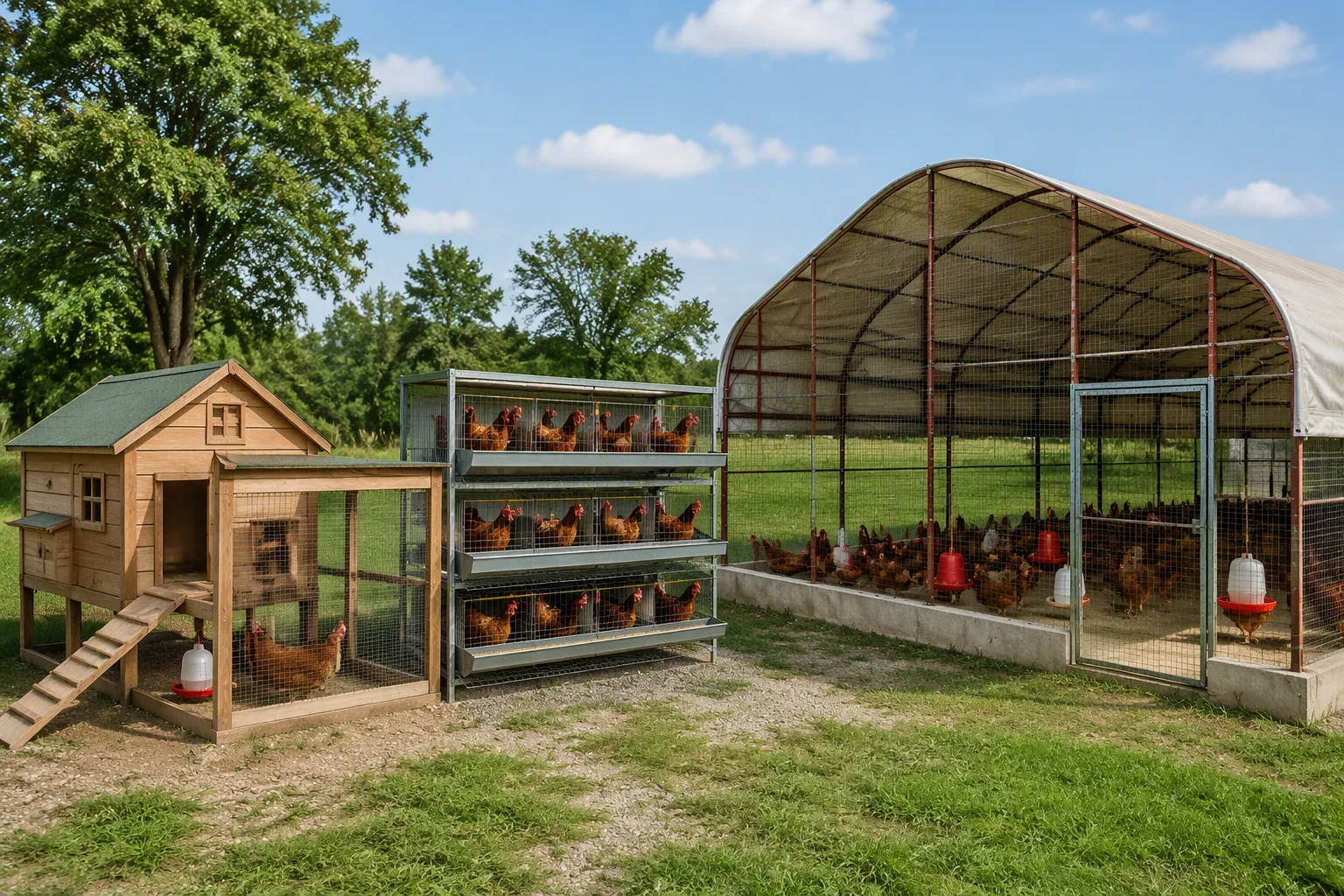
    A Chicken Coop shelters a few backyard chickens, a chicken cage confines one or a small group, and a poultry house holds commercial flocks. These terms are not interchangeable. They describe different scales, purposes, and designs. According to the USDA, roughly 1 percent of U.S. households kept backyard fowl in 2013. Knowing these differences helps you pick the right structure. Key Takeaways A chicken coop suits small backyard flocks of 3 to 12 birds. A chicken cage confines birds for commercial egg production. A poultry house holds thousands of birds in a controlled environment. What Is a Chicken Coop? Definition and Purpose of a Chicken Coop A chicken coop functions as a small shelter for your backyard flock. It provides protection from predators and harsh weather conditions. You use it mainly for roosting at night and egg-laying during the day. A well-designed chicken coop gives your birds a safe space to sleep. It also offers a controlled environment where your hens can lay eggs without stress. The primary purpose of a chicken coop is security and comfort for a small number of birds. You must ensure proper ventilation to prevent respiratory issues. Design and Size of a Chicken Coop You design a chicken coop with essential features like nesting boxes, roosting bars, and ventilation openings. Poultry experts recommend at least four square feet of indoor space per chicken. Some guides suggest two to three square feet for smaller breeds. The Poultry Extension article advises three to four square feet per hen for laying breeds. You should also include an outdoor run for exercise. A mobile design allows you to rotate grazing areas easily. The height of the coop should allow you to stand comfortably inside for cleaning. Typical Use of a Chicken Coop You use a chicken coop for backyard flocks of three to twelve birds. It suits hobby keepers who want fresh eggs daily. Families and small-scale homesteaders typically own a chicken coop. You clean it regularly and collect eggs each morning. This structure works well for non-commercial poultry keeping. You can also add automatic feeders and waterers for convenience. What Is a Chicken Cage? Definition and Purpose of a Chicken Cage A chicken cage confines birds to a strictly controlled environment. You use these systems primarily for large-scale commercial egg production. Their purpose centers on maximizing efficiency and ensuring food safety. These systems became the global standard for egg production in the mid-20th century. The controlled environment dramatically reduces predation risk. In free-range systems, predation kills approximately 3.7% of hens. This results in economic losses of up to $6,700 EUR per organic farm. You choose cages to avoid these losses and to maintain reliable feed conversion. Design and Size of a Chicken Cage You construct chicken cages from durable wire or mesh materials. The design incorporates automated feeders, waterers, and egg collection belts. You provide a specific amount of floor space per bird. Bird Space: 750–900 cm²/Hen Providing at least 750 cm² per hen This standardized space allowance supports higher stocking densities than alternative systems. The design limits contact with litter. This reduction lowers the risk of certain diseases and internal parasites. You can inspect the entire flock daily in this contained environment. Typical Use of a Chicken Cage You find chicken cages in commercial layer operations. You use them to produce consistent, high-volume egg output. Well-managed cage systems often achieve lower mortality rates than free-range counterparts. They also produce a more efficient feed conversion ratio. This efficiency translates to lower feed costs per dozen eggs. You rely on this system for its predictability and ease of daily management. What Is a Poultry House? Definition and Purpose of a Poultry House A poultry house is a large, climate-controlled building designed for commercial-scale chicken production. You use it to house hundreds or thousands of birds at once. The primary purpose involves maximizing production efficiency while maintaining bird health and welfare. Unlike a backyard coop, a poultry house relies on advanced environmental management rather than passive ventilation. You can achieve consistent growth rates and egg production through precise control of temperature, humidity, and air quality. Design and Size of a Poultry House You equip a modern poultry house with automated systems that regulate every aspect of the indoor environment. The table below outlines the critical parameters you must control. Environmental Parameter Target Range or Function Temperature 18–24°C for layers; 21–26°C for broilers Humidity 50–70% relative humidity Air Speed 2.5–3.5 m/s in tunnel mode Ammonia Level Keep below 20 ppm Lighting Programmable intensity and duration schedules An environmental controller serves as the central brain for your operation. It manages ventilation fans, cooling pads, and lighting schedules automatically. You can monitor and adjust these systems remotely via touchscreen interfaces and mobile apps. Alarm systems alert you immediately to power failures or equipment malfunctions. Stocking density varies by climate and production standards. Optimal stocking density ranges between 30–35 kg/m². This density yields the best feed conversion ratio of 1.65–1.75 and keeps mortality below 5%. Typical Use of a Poultry House You use a poultry house for commercial broiler or layer operations. These buildings house birds from day-old chicks through market weight or through the entire laying cycle. You rely on them for consistent, high-volume meat or egg production. Biosecurity protocols are strict. You limit visitor access and use footbaths and dedicated clothing to prevent disease introduction. Regular monitoring of litter quality, gas concentrations, and bird behavior ensures optimal conditions throughout each production cycle. Key Differences at a Glance You now understand the basic definition of each structure. The next step involves a direct comparison. This section breaks down the three structures across size, purpose, confinement, cost, and maintenance. These factors determine which option fits your situation. Size and Capacity Compared Size represents the most obvious difference among the three structures. A chicken coop typically houses three to twelve birds. You measure its footprint in square feet. A standard backyard coop occupies roughly 20 to 50 square feet of floor space. You can often move a small coop by hand or with a garden cart. A chicken cage holds one bird or a very small group. You measure its capacity in square centimeters per hen. A single cage unit provides 750 to 900 square centimeters of floor space. You stack these units in rows and tiers inside a larger building. A single cage row can contain hundreds of individual units. A poultry house dwarfs both of these structures. You measure its capacity in thousands of birds. A typical commercial broiler house measures 40 to 60 feet wide and 400 to 600 feet long. This single building can hold 20,000 to 30,000 birds at once. You cannot move a poultry house once you construct it. The table below summarizes these size differences. Structure Typical Capacity Floor Space per Bird Portability Chicken Coop 3–12 birds 2–4 sq ft Movable Chicken Cage 1–10 birds per unit 750–900 cm² Fixed within building Poultry House 20,000–30,000 birds 30–35 kg/m² Permanent structure Purpose and Confinement Compared Purpose separates these structures into distinct categories. A chicken coop provides shelter and security for backyard flocks. You give your birds freedom to roam inside a run during the day. They return to the coop at night for roosting and laying. The confinement level remains low. Your chickens experience natural behaviors like dust bathing, foraging, and social interaction. A chicken cage restricts movement to a minimal space. You control every aspect of the bird's environment. Feed and water arrive through automated systems. Eggs roll onto collection belts. The bird cannot walk more than a few steps in any direction. This high confinement level maximizes production efficiency. It also minimizes feed waste and disease transmission. A poultry house occupies a middle ground between these extremes. You house birds in large open floor areas inside the building. The birds move freely within the structure. They cannot leave the building. You control temperature, humidity, lighting, and air quality with precision. The confinement level stays moderate. Birds express natural behaviors within the limits of the indoor environment. Confinement level directly affects bird welfare, production efficiency, and your management workload. Cost and Maintenance Compared Cost varies dramatically across these three structures. A basic chicken coop costs $200 to $800 for a small backyard model. You can build a DIY coop for $100 to $300 in materials. Monthly maintenance costs remain low. You spend $20 to $50 per month on feed, bedding, and supplies for a small flock. You perform daily tasks like feeding, watering, and egg collection. Weekly tasks include cleaning nesting boxes and checking for pests. A chicken cage system requires a substantial upfront investment. A single cage unit costs $5 to $15. A full commercial cage system with automated equipment costs $50,000 to $200,000 or more. You must install feeding systems, watering lines, egg belts, and manure removal equipment. Monthly operating costs include electricity, feed, and labor. You rely on automated systems to reduce daily labor. You still inspect the flock daily and maintain equipment regularly. A poultry house demands the highest capital investment. Construction costs range from $200,000 to $500,000 for a standard broiler house. You must add environmental controllers, ventilation fans, cooling pads, heating systems, and backup generators. These systems add another $50,000 to $150,000. Monthly operating costs reach $5,000 to $15,000 for feed, electricity, labor, and maintenance. You monitor environmental parameters continuously. You also follow strict biosecurity protocols to protect your investment. The table below compares these cost factors. Cost Factor Chicken Coop Chicken Cage Poultry House Upfront Cost $100–$800 $50,000–$200,000+ $250,000–$650,000+ Monthly Operating Cost $20–$50 $1,000–$5,000 $5,000–$15,000 Daily Labor 15–30 minutes 1–2 hours 2–4 hours Automation Level Low High Very High Maintenance Complexity Simple Moderate Complex Your choice depends on your budget, available time, and production goals. A chicken coop suits hobbyists who want fresh eggs and enjoy daily interaction with their birds. A cage system suits operations that prioritize efficiency and consistent output. A poultry house suits commercial producers who need high-volume production and precise environmental control. Which One Should You Choose? Your flock size, production goals, and local regulations determine the right structure. Each option serves a distinct purpose. Best Choice for Backyard Keepers You should choose a chicken coop for a small backyard flock. Urban keepers face specific challenges like limited space and city ordinances. Several brands offer coops designed for these constraints. Brand Urban-Friendly Features Cutest Coops Amish-built with heavy-duty screens and secure locks OverEZ Sturdy US-made design with minimal assembly Roost & Root Compact cedar construction; Model 2 holds five chickens The Chicken Coop Company Modern styling that fits contemporary landscaping You must check local city ordinances before purchasing. Many cities limit flock size and prohibit roosters. Best Choice for Small Farms A chicken cage or small poultry house suits your small farm operation. Zoning regulations vary by location. Agricultural zones typically allow chickens with few restrictions. Rural residential zones often permit six to twelve birds. Suburban zones frequently allow four to six hens but ban roosters. You should verify setback requirements. Barns typically need 50 to 100 feet of separation from property boundaries. Manure management plans may also be required. Best Choice for Commercial Operations A poultry house is your only viable option for commercial-scale production. You need thousands of birds to achieve profitable output. Cage-free systems offer growing market opportunities. Aviary systems are typically used for large-scale production and are a popular choice with producers transitioning from cage to cage-free production as they maximise use of vertical space. Multi-tier aviaries allow higher bird density per square foot. Well-trained birds at appropriate density show extended production cycles of 94 to 96 weeks. This yields more eggs per bird and lower cost per egg. Higher initial costs are offset by long-term ROI gains. Size, purpose, and confinement level define the differences among these structures. A Chicken Coop serves your backyard flock best. Cages provide confined housing for specialized production. Poultry houses support large-scale commercial operations. Match your choice to your flock size, production goals, and local regulations. FAQ Can you use a poultry house for a small backyard flock? No. Poultry houses cost hundreds of thousands of dollars. They hold thousands of birds. A chicken coop better suits your three to twelve hens. Should you choose a chicken cage for your backyard chickens? No. Cages restrict movement to less than one square meter. Your flock needs space for foraging, dust bathing, and roosting naturally. Do you need a permit for a poultry house? Yes. Most jurisdictions require building permits and agricultural zoning approval. You also need environmental inspections for waste management.
    ETIQUETAS CALIENTES : Chicken Coop Chicken Cage Poultry House
    LEER MÁS
  • How to Choose a Chicken Coop for Different Climates and Weather Conditions
    How to Choose a Chicken Coop for Different Climates and Weather Conditions
    Sep 23, 2026
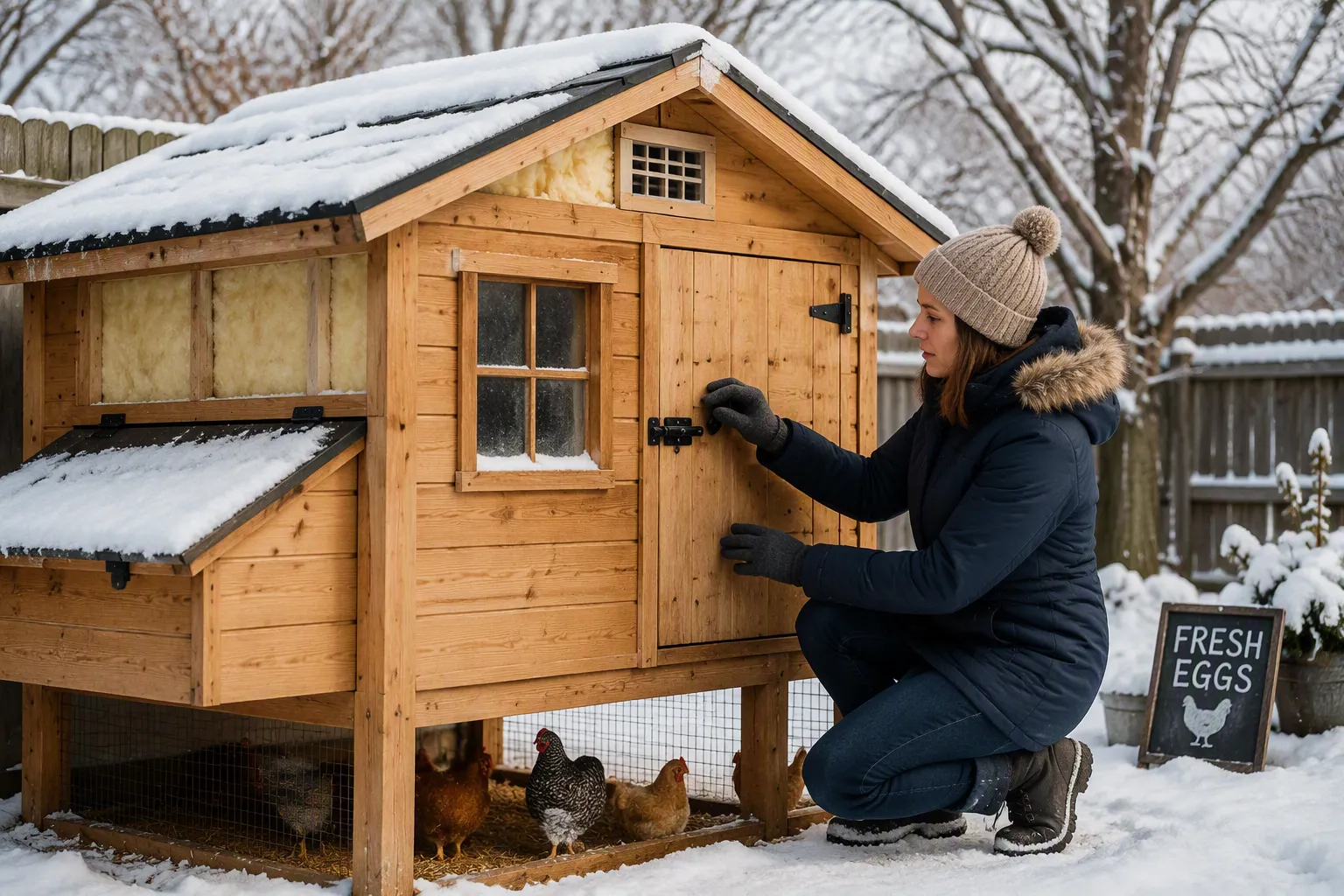
    A one-size-fits-all coop does not exist; your local climate determines the ideal design. A coop too hot in summer or drafty in winter can sicken or kill your flock. Matching your coop to your weather now prevents costly fixes and lost chickens later. Invest in a Weather Resistant Chicken Coop tailored to your region’s extremes. Key Takeaways Know your local weather extremes to pick a coop that keeps chickens safe. Ventilation is key to remove moisture and prevent health problems. Match coop features to your climate for a happy, healthy flock. Assess Your Local Climate and Weather Challenges Before you shop for any coop, you must understand what your local weather demands. Every region tests a flock differently. Your job is to name the specific pressures your chickens will face. Identify Temperature Extremes You should record your area's highest summer heat and lowest winter chill. Chickens struggle when temperatures climb above 90°F or drop below 20°F. A coop that traps heat becomes an oven in July. A coop with thin walls becomes a freezer in January. Write down both extremes, then plan for the worse of the two. Consider Precipitation and Humidity Rain and humidity shape coop health as much as temperature does. You should track your average annual rainfall and your typical humidity range. High moisture inside a coop creates serious problems for your flock's respiratory system. Relative Humidity (RH) Risk Level for Respiratory Disease Action / Notes 40–60% Optimal Ideal range for poultry; panting works efficiently 60–70% Monitor closely Panting efficiency begins to decline Above 70% Increased risk Take action; conditions favor pathogen establishment and spread Above 80% High risk Respiratory illness risk rises; flock shows stress behavior Appropriate housing plays a large role in reducing the risk of respiratory infections. When the coop isn't opened back up in the morning prior to increasing temperatures, a humidity spike will take a toll on the confined flock's respiratory tract. An ammonia level higher than 25 ppm is enough to damage cilia in the airways of chickens, which allows respiratory pathogens to colonize and cause disease. Sustained humidity above 70% does not directly cause illness, but it helps respiratory pathogens establish and spread. Wet bedding raises ammonia, which damages the chicken's first line of defense. Flocks in chronically humid coops show higher illness rates than flocks in well-ventilated housing. Evaluate Wind and Storm Risks You should note your prevailing wind direction and the frequency of severe storms. Strong gusts can rip off lightweight roofs and blow rain into open vents. Coastal areas face salt air and hurricane threats. Inland plains face straight-line winds and hail. A Weather Resistant Chicken Coop must handle your worst local storm, not an average day. Note Seasonal Shifts and Their Impact You should map how your weather changes across the year. Some regions swing 100°F between summer and winter. Others face a long rainy season followed by months of drought. These shifts determine how much flexibility your coop design needs. A coop built for one season alone will fail your flock in another. Match Coop Features to a Weather Resistant Chicken Coop You now know your climate pressures. The next step is matching coop features to those pressures. A Weather Resistant Chicken Coop solves your top two weather problems first. Every other feature comes after that. Insulation for Hot vs. Cold Climates Insulation works differently in hot and cold climates. In cold regions, insulation traps heat from the flock's bodies and blocks outside chill. In hot regions, insulation slows heat transfer from the sun into the coop interior. You need insulation in both cases, but the target values differ. Cold-climate owners should aim for specific R-values based on their USDA zone. The table below shows the targets. USDA Climate Zone Avg Winter Low Wall R-value Target Roof R-value Target Zone 5 (Midwest, New England) -10 to 0°F R-10 to R-13 R-13 Zone 6-7 (Upper Midwest, Mountain) -20 to -10°F R-13 to R-15 R-13 Zone 8+ (Alaska, northern Canada) Below -20°F R-15+ R-13 The only R-value guidance any poultry extension source publishes is the University of Kentucky's: good insulating materials run above R-10. A 3-1/2" batt (R-13) clears that bar. Frostbite prevention is tied to moisture control through ventilation rather than insulation alone, though the R-value targets above are specified for cold climates. You should treat insulation as one part of a system. Ventilation handles the moisture that actually causes frostbite on combs and wattles. Material choice affects both cost and performance. The table below compares common options. Material Purchase Cost (qualitative) Energy Savings (qualitative) Foam Boards Cost-effective, lightweight, easy to install Excellent thermal resistance, traps heat well Fiberglass Affordable Great insulation, but needs sealing to avoid pecking Straw Bales Natural, often free or low-cost Creates barrier, provides some warmth Wood Readily available, moderate cost Good thermal resistance, natural look Cardboard/Newspaper Very low cost (tight budget) Temporary, minimal insulation Recycled Materials (blankets, tarps, bubble wrap) Often free or cheap Temporary, some heat retention Foam boards give you the best balance of cost and thermal performance for most backyard coops. Fiberglass works well, but you must seal it behind walls. Exposed fiberglass invites pecking, and pecking destroys both the insulation and the bird's health. Straw bales suit temporary setups or mild climates. Cardboard and recycled materials serve as short-term fixes only. Hot climates flip the insulation logic. You want reflective barriers and shaded walls more than thick batts. A radiant barrier on the roof underside blocks solar heat before it enters the coop. Light-colored exterior walls reflect sunlight and lower interior temperatures by several degrees. Ventilation to Manage Moisture and Heat Ventilation is the single most important feature in any Weather Resistant Chicken Coop. It removes moisture, ammonia, and heat. It also prevents frostbite in winter and heat stress in summer. Poor ventilation causes more flock illness than cold temperatures do. You need two ventilation types working together. High vents near the roofline let hot, moist air escape. Low vents near the floor draw fresh air in. This stack effect creates continuous airflow without drafts at bird level. Aim for at least 1 square foot of vent space per bird in mild climates. Cold climates need less total vent area, but the vents must sit above the birds' heads. Never seal a coop tight to keep it warm. Sealed coops trap moisture from droppings and respiration. That moisture condenses on combs and wattles, and frostbite follows. The ammonia level tells you if ventilation is failing. An ammonia level higher than 25 ppm damages the cilia in chicken airways. Damaged cilia let respiratory pathogens colonize and cause disease. Adjustable vents give you seasonal control. You open them wide in summer for maximum airflow. You close the low vents in winter to stop drafts while keeping high vents open. Hardware cloth covers every opening to block predators and pests. Roof Design and Rain Protection Your roof is the coop's first defense against rain, snow, and sun. A poor roof design lets water into the coop and rots the structure. It also fails under snow load or wind uplift. You should choose a roof that sheds water fast and holds up to your local storms. Roof pitch matters more than most owners realize. A steep pitch sheds rain and snow quickly. A shallow pitch holds water and invites leaks. Overhangs protect walls and vents from wind-driven rain. You want at least 12 inches of overhang on the windward side. Material choice affects durability and temperature regulation. The table below compares the two most common options. Attribute Metal Roofs Asphalt Shingles Durability Highly durable and weather-resistant; protects against rain, snow, and wind Weather-resistant and effective Temperature Regulation Good insulation; keeps coop cool in summer and warm in winter Provides good insulation Pest Resistance Resistant to pests Not specified Maintenance & Lifespan Lasts many years with minimal maintenance Easy to install; available in various colors and styles Asphalt shingles offer some insulation properties. They can help regulate temperature by reflecting sunlight and reducing heat absorption into the chicken run. High-quality shingles can have a relatively long lifespan, typically ranging from 20 to 30 years or more with proper maintenance. Metal roofs win on durability and pest resistance in most climates. Asphalt shingles cost less upfront and suit mild regions. In hurricane or high-wind zones, you should add hurricane straps and screw-down panels. In heavy snow zones, you should reinforce the roof structure for snow load. A roof that collapses under snow kills the flock inside. Predator Resistance Adapted to Your Area Predators vary by region, and your coop must match the local threat. Raccoons dominate most of the United States. Weasels threaten northern states and Canada. Foxes, hawks, snakes, and bears add pressure in specific areas. You should identify your top local predators before you buy or build. Hardware cloth is the standard for predator-proofing. According to university extension predator-proofing guidelines, you should use 19-gauge minimum welded hardware cloth rather than the thinner 23-gauge product commonly sold at big-box stores. The 23-gauge product is not predator-rated and raccoons can tear it open. For raccoon and weasel prevention, you need 1/2-inch mesh. In weasel country across the northern US and Canada, you should use 1/4-inch mesh at coop pop-doors and any opening smaller than 2 inches. Juvenile and least weasels can squeeze through 1/2-inch mesh. Dig defense matters as much as wall defense. You should bury hardware cloth 12 inches deep around the coop perimeter. Bend the bottom 6 inches outward in an L-footer shape. This stops digging predators like foxes and coyotes. A skirt of hardware cloth laid flat on the ground works too, and it saves digging effort. Latches deserve equal attention. Raccoons open simple hooks and sliding bolts. You should use two-step locks or carabiner-style latches on every door. Secure vents with hardware cloth and sturdy frames. Check every gap larger than 1/4 inch, because mice and snakes enter through small openings. Optimize Coop Placement, Size, and Compliance Positioning for Shade, Sun, and Windbreaks You should place your coop where it catches morning sun and afternoon shade. Morning light dries moisture and warms the flock after cold nights. Afternoon shade prevents heat buildup during summer peaks. Deciduous trees on the south and west sides give you both benefits. They drop leaves in winter and let sunlight through. You also need a windbreak on your prevailing wind side. A solid fence, hedge, or building blocks cold gusts. Leave 10 to 15 feet between the windbreak and the coop for airflow. This gap prevents snow drifts and keeps ventilation working. Sizing According to Flock and Yard Space You should give each chicken at least 3 to 4 square feet inside the coop. Bantam breeds need slightly less. Large breeds need more. Add 8 to 10 square feet per bird in the run. Crowded coops raise humidity, ammonia, and disease risk. A Weather Resistant Chicken Coop sized correctly for your flock performs better in every season. Local Zoning and Permit Requirements You must check your local rules before you buy or build. According to The Coop Score, most U.S. cities and suburbs that permit backyard chickens impose a minimum coop setback distance from property lines, and this distance commonly falls within a range of 10 to 25 feet. These rules differ substantially between cities and counties, so you should verify your specific local ordinance first. Rule type What to verify Property line Minimum side and rear setback Neighbor dwellings Distance from nearby homes Your house Distance or attached-structure limits Flock count Maximum hens by lot size Roosters Allowed, banned, or permit-only Waste Manure storage and odor control language Quick-Reference Checklist for Final Selection Before you commit, confirm these items: your top two weather concerns, your USDA zone, your local setback distance, your flock size, and your predator threats. Match every coop feature to that list. A coop that solves your climate first will serve your flock for years. Your climate comes first, and your budget comes second. Name your top two weather concerns, then prioritize the features that solve them. Measure your space and check local rules before you buy. Review your weather data, list your must-haves, and select a Weather Resistant Chicken Coop that keeps your flock thriving year-round. FAQ What is the most important feature in a weather resistant chicken coop? Ventilation matters most. It removes moisture, ammonia, and heat year-round. Good airflow prevents frostbite in winter and heat stress in summer. Prioritize adjustable vents above all other features. Do I need insulation in a hot climate? Yes, but for a different reason. Insulation slows heat transfer from the sun into the coop. You should also add a radiant barrier and light-colored exterior walls. These reflect sunlight and lower interior temperatures. How do I check local coop rules before buying? Contact your city or county planning office first. Ask about setback distances, flock limits, and rooster bans. Verify these rules before you purchase or build anything.
    LEER MÁS
  • Why Choose a Wooden Pet Cage? After Comparing Metal and Plastic Cages, I Summarized 5 Key Differences
    Why Choose a Wooden Pet Cage? After Comparing Metal and Plastic Cages, I Summarized 5 Key Differences
    Sep 15, 2026
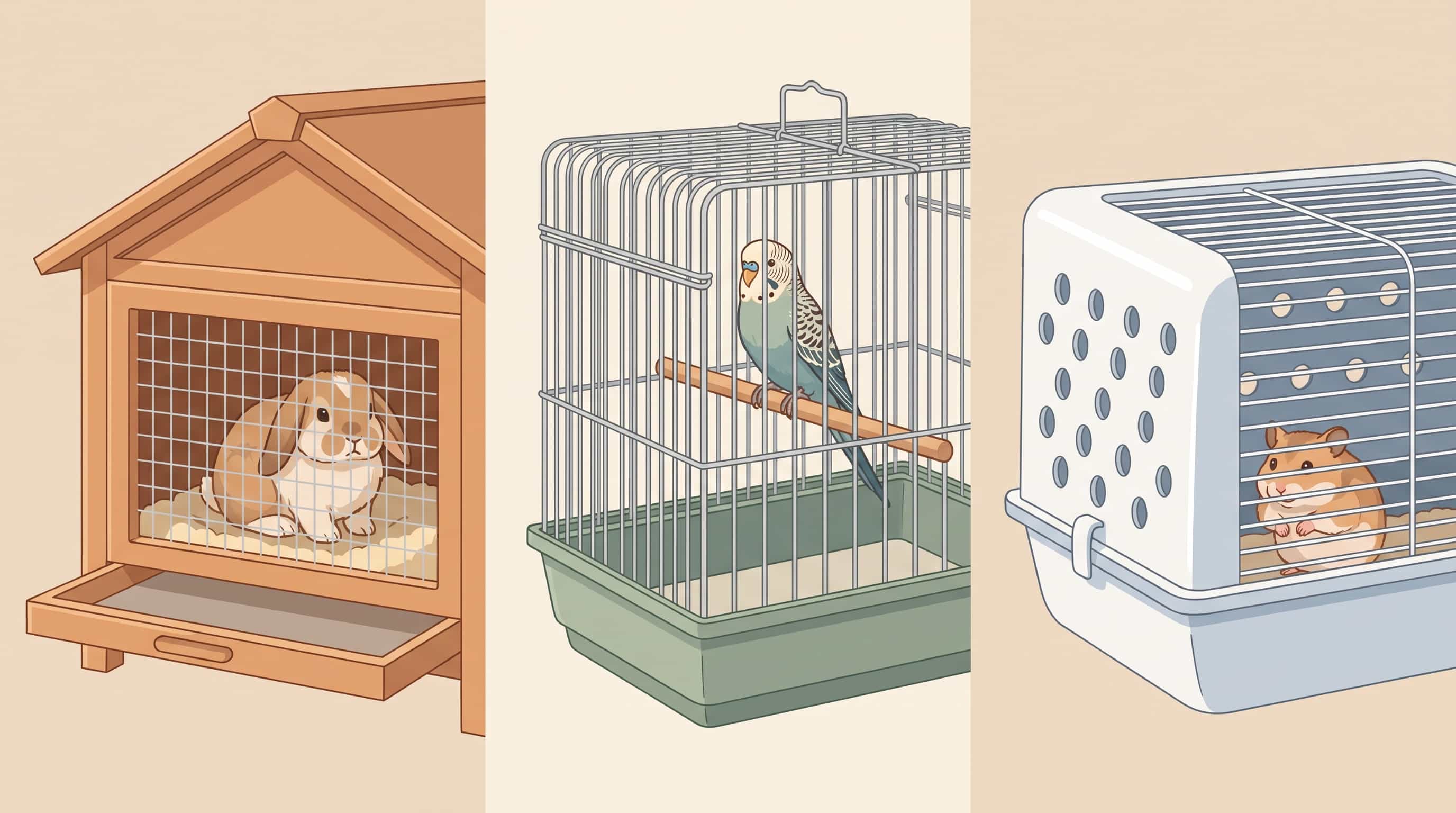
    Many pet owners, when buying a cage for the first time, focus on only three things: size, price, and whether it can fit the pet.But after actually using it, they realize that the cage material directly affects the pet’s comfort, sense of security, cleaning difficulty, and even whether it makes noise at night, whether it feels cold in winter, and whether the home ends up looking like a storage room. Wooden pet cages have become more popular in recent years. It is not just “wood nostalgia,” and it is not only about looks. Wooden cages do have real advantages in insulation, quietness, and blending into the home. But wooden cages are not the universal answer. Metal cages and plastic cages also have irreplaceable use cases. The conclusion first: there is no absolutely best material, only a material that is more suitable for your pet and your lifestyle.If you care about insulation, quietness, aesthetics, and a long-term sense of companionship, a wooden cage is worth considering. If you care more about easy cleaning, ventilation, and durability, a metal cage may be better. If your budget is limited, you need temporary housing, or you have a small pet, a plastic cage also has its place. At a Glance: Wooden vs. Metal vs. Plastic Pet Cages     Comparison Dimension Wooden Cage Metal Cage Plastic Cage Insulation Good; wood conducts heat slowly, so it does not feel icy in winter Poor; conducts heat quickly, cold in winter and hot in summer Medium, but can become stuffy if ventilation is poor Noise Lower; wood absorbs sound and reduces vibration Higher; chewing, jumping, and movement easily resonate Medium-low, but the cage body is light and may shift Safety Depends on wood, paint, and anti-chew design Chew-resistant, but may pinch paws, rust, or chip paint No sharp corners, but can be chewed into pieces and swallowed Cleaning Difficulty Harder; needs a tray and waterproof liner Easiest to rinse Easy to wipe, but gaps trap dirt Aesthetics High; looks more like furniture Industrial and functional Lightweight but can look cheap Price Medium-high; custom models cost more Medium Low Durability Depends on wood; sensitive to moisture and chewing; repairable High, but may rust Ages and becomes brittle Ventilation Requires good design Best Usually poor Suitable Scenarios Rabbits, chinchillas, guinea pigs, parrots, indoor cats, etc. Dogs, cats, large parrots, destructive pets Hamsters, temporary housing, transport Key Difference 1: Insulation and Quietness Are Usually More Pet-Friendly in Wooden Cages First, insulation.Metal conducts heat quickly. It feels cold in winter, and if it is exposed to the sun in summer, it can become hot. Plastic has some insulation, but if the ventilation design is poor, the inside can become stuffy. Wood conducts heat relatively slowly and feels gentler to the touch. For pets that are sensitive to cold, such as rabbits, chinchillas, guinea pigs, and parrots, a wooden cage is usually more comfortable. But note: good insulation does not mean the cage can be sealed tight. Ventilation holes, mesh panels, and airflow design are essential. Otherwise, insulation becomes stuffiness, which can be dangerous. Now, noise.One of the biggest problems with metal cages is resonance. When pets chew, jump, or scratch at night, metal wires and trays amplify the sound. Because wood itself absorbs sound and reduces vibration, the overall sound from a wooden cage is usually softer and quieter. For nocturnal pets, or for sound-sensitive households, this is very practical. Key Difference 2: Safety Is Not About Material, but About Details Are wooden cages safe?The answer is: a wooden cage can be very safe, but only if the wood, paint, and structure are chosen correctly.If the wood has a pungent smell, uses low-quality paint, has exposed nails, or the pet is a heavy chewer, a wooden cage can also become a risk. For rodents especially, avoid untreated pine, cedar, and other woods that may irritate the respiratory tract. Safer choices include hardwoods such as birch, poplar, and maple, with pet-safe water-based paint, or no paint at all. The advantage of metal cages is chew resistance, but details still matter. Rough welds, wire gaps, chipped paint, rust, and trays that pinch paws can all hurt a pet. Plastic cages look rounded, but when chewed into pieces, they can be swallowed, and ventilation holes can trap small toes. So safety is not “wood is definitely safe” or “metal is definitely safe.” It is:Are there exposed nails? Is there eco-friendly paint? Can the door be opened by the pet? Can the bottom tray pinch paws? Will the pet chew and swallow pieces? Key Difference 3: Cleaning and Odor — Metal Is Easiest, Wooden Depends on Design If cleaning is your biggest concern, metal cages are usually the easiest. They can be rinsed directly and dried, and they do not easily absorb odors. Plastic cages are also easy to wipe, but urine stains and dirt can remain in the gaps. Wooden cages are indeed harder to clean because they are sensitive to moisture and urine. But this does not mean a wooden cage must be dirty or smelly. The key lies in the design: Is there a pull-out tray? Is the bottom panel waterproof? Is there urine protection in the corners? Can you use pee pads, wood shavings, or eco-friendly bedding? Will the food bowl and water bottle wet the wood? If a wooden cage has a waterproof liner and a pull-out tray, daily cleaning is not much harder than with a metal cage. But if the pet urinates a lot or likes to spray, a metal cage with a tray will be easier. In one sentence: a wooden cage is not impossible to clean; what you should not buy is a wooden cage with “looks only, no cleaning design.” Key Difference 4: Aesthetics and Home Integration — Wooden Cages Look More Like Furniture This is the most obvious advantage of wooden cages.Metal cages look like functional equipment. Plastic cages look like temporary supplies. Wooden cages blend more easily into Scandinavian, Japanese, modern minimalist, and natural wood-style homes. They can look like a side cabinet, a room divider, a nightstand, or even part of the living room. For families living with pets, this matters a lot. The cage is no longer just “a place to keep the pet.” It becomes a piece of furniture in the home. When the pet stays in the living room, the owner is also more willing to interact with it, instead of hiding the cage in a corner of the balcony. Of course, aesthetics cannot come at the cost of ventilation, cleaning, and size. A wooden cage that looks good but is stuffy, hard to clean, and too small for the pet to stretch out is still not a good cage. Key Difference 5: Price and Long-Term Cost — Do Not Look Only at the First Payment Plastic cages are the cheapest, but they age easily, can be chewed, and may need to be replaced quickly.Metal cages are medium-priced and fairly durable, but they may rust, chip paint, and be noisy.Wooden cages usually cost more, and custom models cost even more, but they are repairable, have replaceable parts, and offer better insulation, quietness, and aesthetics. So do not compare only “how much it costs when you buy it.” Also calculate: How long will it last? Is it easy to clean? Will it be noisy? Will the pet need extra warmth in winter? Can it be repaired if damaged? Will you want to hide it when it is in your home? If you plan to keep pets for the long term and want the cage to blend into your living space, the long-term experience of a wooden cage is often worth it. If you only need temporary use and have a limited budget, plastic and metal cages are more practical. Which Pets Should Choose Which? Pets that are more suitable for wooden cages:Rabbits, chinchillas, guinea pigs, parrots, some indoor cats, etc. They usually need a warm, quiet, and secure resting space, and wooden cages make this easier to achieve. Pets that are more suitable for metal cages:Dogs, cats, large parrots, destructive pets, and pets that urinate a lot. Metal cages have good ventilation, are easy to clean, and are durable. The downsides are noise and coldness in winter. Scenarios that are more suitable for plastic cages:Hamsters, temporary housing, transport, limited budgets, and small spaces. Plastic cages are light and cheap, but they are not suitable for long-term closed housing, and you must prevent chewing and swallowing. Hybrid solutions are also highly recommended:Wooden exterior + metal tray + plastic base. This keeps the home-friendly look while improving cleaning and durability. If You Decide on a Wooden Cage, Focus on These 7 Points Wood: Prefer hardwoods such as birch, poplar, and maple. Avoid low-quality pine, cedar, and pungent woods. Paint: Choose pet-safe water-based paint or no paint. It should not smell pungent. Ventilation: At least two sides should have ventilation. Do not make it airtight just for insulation. Bottom: Pull-out tray + waterproof liner, preferably removable and washable. Hardware: No exposed nails, escape-proof door locks, and rounded corners. Size: The pet should be able to stand, turn around, stretch, and jump. It should not be “just barely fit.” Repairability: Chewed door bars, bottom panels, and trays should be replaceable separately. Final Summary Why are wooden pet cages worth choosing?Because they usually have advantages over metal and plastic in insulation, quietness, aesthetics, sense of security, and home integration.But they are not universal cages. For pets that urinate a lot, are highly destructive, or need extremely strong ventilation, metal cages may be more suitable. If the budget is limited or the use is temporary, plastic cages also have value. The essence of choosing a cage is not choosing the “cheapest” or “best-looking” box. It is choosing a way for humans and pets to live together.If you want your pet to be warmer, quieter, and your home to look better, a wooden cage is worth serious consideration.If what you care about most is easy cleaning, ventilation, and durability, a metal cage is still a reliable choice.
    LEER MÁS

  • Why Choose an Outdoor Anticorrosive Wood Storage Cabinet? Benefits & Buying Guide
    Why Choose an Outdoor Anticorrosive Wood Storage Cabinet? Benefits & Buying Guide
    Sep 10, 2026
    Why Choose an Outdoor Anticorrosive Wood Storage Cabinet? Benefits, Comparisons & Buying Guide If you are searching for an outdoor anticorrosive wood storage cabinet, you have probably already looked at plastic cabinets, metal cabinets, stainless steel cabinets, and WPC storage boxes. So why choose wood? The answer is not that anticorrosive wood is always the best choice. The real answer is that it offers a strong balance between natural beauty, weather resistance, customization, load capacity, and long-term repairability. If you want a storage cabinet that does more than hide clutter—if you want it to blend into a garden, patio, rental property, or landscape project—wood is often the most attractive option. What Is an Outdoor Anticorrosive Wood Storage Cabinet? An outdoor anticorrosive wood storage cabinet is a wooden cabinet designed for outdoor use. It is usually made from pressure-treated wood, rot-resistant wood, or naturally durable hardwood. Common materials include treated pine, southern yellow pine, merbau, teak, and other outdoor-grade woods. The term “anticorrosive wood” is often used in the industry to describe wood that has been treated to resist moisture, rot, insects, and outdoor weather. However, no outdoor wood is completely maintenance-free. The lifespan of the cabinet depends on the wood, the structure, the hardware, the installation, and regular care. 8 Reasons to Choose an Outdoor Anticorrosive Wood Storage Cabinet 1. Natural Beauty That Blends Into the Landscape Plastic cabinets are affordable, but they can look cheap. Metal cabinets are practical, but they often feel cold and industrial. Stainless steel is durable, but it can feel out of place in a garden. An outdoor wooden storage cabinet has a warm, natural texture that works well with plants, wooden decks, pergolas, fences, and flower boxes. It can be used as a functional storage unit and as part of the outdoor design. This makes it especially suitable for gardens, patios, terraces, courtyards, resorts, campgrounds, and poolside areas. 2. Treated Wood Is More Suitable for Outdoor Use Than Standard Wood Standard indoor wood can swell, warp, mold, and be damaged by insects when placed outside. Anticorrosive wood is treated to improve weather resistance. For example, ACQ-treated wood is a common environmentally friendly treatment for outdoor wood products. That said, anticorrosive wood is not “rot-proof forever.” If water sits on the top, if the base touches the ground, or if the cabinet has no ventilation, even treated wood can fail. The real formula is: Good wood + smart structure + stainless steel hardware + regular maintenance = longer service life. 3. Strong Customization for Awkward Spaces Outdoor spaces are rarely perfectly regular. You may have a narrow corner, a space under a staircase, a patio edge, a spot beside an air conditioner, or a poolside wall. Ready-made cabinets often do not fit. A custom outdoor storage cabinet can be made to your exact requirements: Width, depth, and height Door opening direction Number and height of shelves Color and surface finish Locks, handles, and hinges Logo, packaging, and project specifications For rental properties, landscape companies, and property managers, this customization is often more important than buying a standard-size product. 4. Better Load Capacity for Tools, Grills, and Pool Supplies Outdoor storage items are often heavy: gardening tools, fertilizer, hoses, charcoal, grill accessories, pool cleaning equipment, outdoor cushions, and delivery packages. A wooden cabinet usually has a stronger and more stable structure than a plastic cabinet. Inside, it can be designed with adjustable shelves, hanging rods, and divided compartments to organize different items. 5. Wood Is Naturally Insulating and Comfortable to Use Metal cabinets can become extremely hot in summer sun and very cold in winter. Plastic cabinets can become brittle and faded over time. Wood conducts heat slowly, so it feels more comfortable to touch. This is a small detail, but it matters in family gardens, patios, and spaces where children or pets spend time. 6. It Can Be Repaired, Refinished, and Renewed One of the biggest advantages of wood is that it can be maintained. When the surface ages, you can sand it lightly and apply outdoor wood oil or outdoor wood paint. Instead of throwing the cabinet away, you can refresh it. A simple maintenance routine looks like this: Monthly: Check drainage, standing water, and hardware tightness. Quarterly: Clean the surface with a soft brush and mild soap. Yearly: Inspect for mold, cracks, and fading; apply wood oil or paint if needed. Every 1–2 years: Sand and recoat for better protection. Humid areas: Shorten the maintenance cycle and check ventilation more often. 7. Ideal for Rental Properties, Patios, and Commercial Spaces For Airbnb properties, resorts, campgrounds, pool areas, and farms, storage is not only about function. It is also about appearance and guest experience. A wooden storage cabinet can match the color and style of fences, decks, flower boxes, and other woodwork. Commercial buyers can also request brand logos, uniform color cards, bulk packaging, and project delivery. 8. Long-Term Value: Not the Cheapest, But More Maintainable If you only look at the first purchase price, a plastic cabinet may be cheaper. But if you consider appearance, load capacity, customization, repairability, and guest-facing quality, an anticorrosive wood storage cabinet often offers better long-term value. It is a good choice for buyers who care about design, durability, and customization—not just the lowest initial price. When an Anticorrosive Wood Storage Cabinet May Not Be the Best Choice Anticorrosive wood is not perfect for every situation. Be careful if: You want completely zero maintenance. WPC or metal may be better. Your budget is extremely low. Plastic may be cheaper. You are in a high-salt coastal environment. You need higher-grade wood and 316 stainless steel hardware. The cabinet will be placed in a closed, damp corner with no airflow. Mold risk increases. The ground is always wet. The cabinet must be raised off the ground. So do not ask only, “Is anticorrosive wood good?” Ask instead: “Does my space, budget, and maintenance willingness fit anticorrosive wood?” Anticorrosive Wood vs. WPC vs. Metal vs. Plastic     Feature Anticorrosive Wood WPC Metal / Stainless Steel Plastic Natural appearance High Medium Low–Medium Low Weather resistance Medium–High High High Medium Maintenance needs Periodic care Low Low Low Load capacity High Medium Medium–High Low Customization High Medium Medium Low Texture and feel High Medium Low Low Long-term value High Medium–High Medium Low 5 Questions to Ask Before Buying Where will you place it? Garden, patio, poolside, rental property, or commercial space? What will you store? Tools, grill accessories, towels, cushions, or packages? What size do you need? Do you need a custom size? Are you willing to do basic maintenance? What matters most: price, appearance, or service life? If your answers are appearance, customization, basic maintenance, and long-term use, an outdoor anticorrosive wood storage cabinet is usually worth considering. FAQ Can an outdoor anticorrosive wood storage cabinet be left in the rain? Yes, but it should have a sloped roof, a raised base, ventilation, and drainage. Standing water will shorten its life. Will anticorrosive wood mold? It can mold if it stays damp and has no airflow. Good ventilation, drainage, and regular maintenance reduce the risk. Is anticorrosive wood better than WPC? It depends. Anticorrosive wood looks more natural, can be refinished, and offers more customization. WPC is lower maintenance but has a weaker wood feel. Does it need to be painted every year? Inspect it every year. In most cases, apply outdoor wood oil or paint every 1–2 years. Humid areas may need more frequent care. Can I customize the size and color? Yes. Common custom options include size, shelves, door direction, locks, color, logo, and packaging. Conclusion Choosing an outdoor anticorrosive wood storage cabinet is about choosing a more natural, customizable, and repairable outdoor storage solution. It is not the cheapest option, but for gardens, patios, rental properties, and landscape projects, it often offers the best balance of beauty and function. If you are planning outdoor storage for a home, resort, campground, or landscape project, contact us for a custom solution and quote. Please share your use case, size requirements, quantity, destination, and estimated delivery date. CTA:Request a Custom QuoteTalk to Our Outdoor Storage TeamSend Us Your Size Drawing
    LEER MÁS
  • 2026 Backyard Poultry Trend: Why All-In-One Wooden Chicken Coops with Run Are a Must-Stock for B2B Buyers
    Aug 31, 2026
    The backyard poultry movement has evolved from a niche rural hobby to a mainstream global lifestyle trend, and 2026 is set to see even faster growth. Across North America, Europe, and Oceania, homeowners, small-scale farmers, and urban gardeners are increasingly investing in raising their own chickens for fresh eggs, sustainable living, and family enjoyment. For B2B buyers—from garden supply wholesalers and pet product distributors to cross-border e-commerce sellers and farm equipment retailers—capitalizing on this boom means stocking the right products. Among all backyard poultry equipment, all-in-one wooden chicken coops with an attached run are emerging as the definitive breakout product of 2026. What’s Driving the 2026 Backyard Chicken Coop Market Boom? Before diving into product advantages, it’s critical to understand the market forces making this category so profitable for B2B players:   1. Homegrown Food Movement: Consumers are prioritizing food safety and self-sufficiency. Backyard eggs are seen as a healthier, more sustainable alternative to store-bought options, driving demand for reliable, easy-to-use coops. 2. Outdoor Living & Gardening Surge: Post-pandemic, homeowners continue to invest in their backyards as multi-use living spaces. Chicken coops are no longer just farm equipment—they’re part of the backyard landscape. 3. Animal Welfare Expectations: Modern poultry keepers demand free-range access and humane living conditions for their flock. Small, cramped cages no longer meet consumer standards. 4. Diversified Customer Base: The market now extends beyond rural farmers to suburban families, urban homesteaders, educational farms, boutique hotels, and petting zoos—all seeking mid-sized, user-friendly coop solutions.   Why All-In-One Coops with Run Are Dominating the 2026 Market   Traditional separate coop and run sets create friction for end users: mismatched sizes, complicated assembly, and gaps that let predators in. Our integrated all-in-one wooden chicken coop solves these pain points entirely, making it a high-conversion, low-return SKU for B2B inventory. 1. Complete All-In-One Functionality: One SKU Covers Every Need   This model integrates three core functional zones into a single pre-built unit, so customers never need to shop for additional parts:   · Enclosed roosting house: Provides a safe, sheltered space for nighttime rest and weather protection · External nesting box: Allows for easy egg collection without disturbing the flock · Attached mesh run: Gives chickens room to roam, forage, and get natural sunlight during the day · Built-in ramp: Connects the house and run seamlessly, so chickens can move freely between spaces For your customers, this means a true “out-of-the-box” solution with zero extra purchases required. For your business, this means simplified inventory management, fewer SKUs to stock, and faster purchase decisions for buyers.   2. Human-Centered Cleaning Design: Cuts After-Sales Headaches   Difficult cleaning is the #1 cause of negative reviews and product returns in the chicken coop category. Our design eliminates this pain point from the ground up: · Pull-out waste tray: A sliding metal tray sits under the roosting area, catching droppings for quick, mess-free removal—no reaching inside the coop required · Multiple access doors & hinged roof: Wide-opening doors and a liftable roof provide full access to every corner for deep cleaning, feeding, and health checks · External egg collection: The side-mounted nesting box opens from the outside, so staff or homeowners can collect eggs without entering the run or stressing the birds For B2B sellers, these features directly reduce customer support tickets, lower return rates, and strengthen brand reputation for quality and usability.   3. Spacious Predator-Safe Run: Meets Modern Welfare Standards   Today’s consumers are willing to pay a premium for coops that prioritize animal welfare. Our attached run delivers on that promise without compromising safety:   · Generous floor space gives chickens room to exercise, dust-bathe, and exhibit natural behaviors · Heavy-duty galvanized wire mesh keeps out predators like foxes, raccoons, and hawks, while preventing chickens from escaping · Tight, smooth grid spacing eliminates the risk of foot entrapment or injury Stocking this model lets you market to ethically minded buyers under the “free-range” and “humane poultry” umbrella—categories with significantly higher price points and margins than basic coops.   4. Weatherproof Outdoor Construction: Built for Year-Round Use   Durability is make-or-break for outdoor garden equipment. This wooden coop is engineered to withstand variable climates year-round:   · Asphalt shingle sloped roof: Water-resistant, UV-protective roofing sheds rain and snow quickly, preventing leaks and sun damage · Weather-treated wood frame: Fade-resistant, rot-proof wood stands up to humidity, rain, and temperature swings · Rust-proof metal hardware: All latches, hinges, and mesh are galvanized to prevent corrosion and extend product lifespan For B2B buyers, this means fewer warranty claims, longer product service life, and suitability for sale in diverse climate zones—from rainy Northern Europe to sunny Southern California.   5. Decorative Landscape-Friendly Aesthetics   Unlike utilitarian metal coops that look out of place in residential yards, our wooden coop features a clean gray-and-white color scheme and a charming cottage-style peaked roof with a decorative finial. This visual appeal opens up entirely new sales channels for your business:   · Garden centers and outdoor living stores can display it as part of backyard landscape setups · Boutique hotels, glamping sites, and educational farms value its polished, visitor-friendly appearance · Homeowners want coops that complement their garden design, not clash with it This decorative quality lets you position the product at a higher price point than plain industrial models.   Core Business Benefits for B2B Buyers Beyond product features, stocking this all-in-one coop delivers clear commercial advantages: · Higher profit margins: Feature-complete, design-forward coops command 30–50% higher price points than basic wire cages, with strong gross margins for wholesale and retail. · Broader customer reach: Appeals to residential hobbyists, small farms, hospitality businesses, schools, and petting zoos—expanding your target audience beyond traditional farm supply. · Accessory upsell potential: Pair with coop covers, winter insulation, feeders, waterers, and nesting pads to increase average order value and drive repeat purchases. · Strong SEO demand: Search terms like “all-in-one chicken coop with run”, “backyard wooden chicken coop”, and “decorative poultry coop” are growing rapidly in organic search, making this product ideal for independent 站 traffic growth. · Low assembly barrier: Pre-cut, pre-drilled construction means straightforward assembly for end users, reducing frustration and assembly-related returns. Who Is This Product Ideal For? This all-in-one wooden chicken coop is a versatile addition to inventory for: · Garden & outdoor living retailers looking to expand their backyard homesteading category · Pet supply distributors adding small livestock and poultry products · Cross-border e-commerce sellers on Amazon, Wayfair, Temu, and other marketplaces · Farm & agricultural supply stores serving small-scale and hobby farmers · Hospitality and educational procurement teams for resorts, camps, and school farms Final Thoughts The 2026 backyard poultry market is growing, but only products that balance function, durability, ease of use, and aesthetics will capture the most profitable share of demand. The all-in-one wooden chicken coop with attached run checks every box for end users—and every box for B2B profitability. As a professional manufacturer of outdoor wooden poultry housing, we offer bulk wholesale pricing, custom branding options, container shipping support, and flexible MOQs to fit businesses of all sizes. If you’re ready to add this top-trending coop to your 2026 product lineup, contact our B2B team today for a full product catalog, detailed specifications, and a customized wholesale quote.   Supplier contact information Contact person: Hank Huang WhatsApp:+86 15159936190 WeChat:+86 15159936190   E-mail:info@fxywp.com.cn
    LEER MÁS
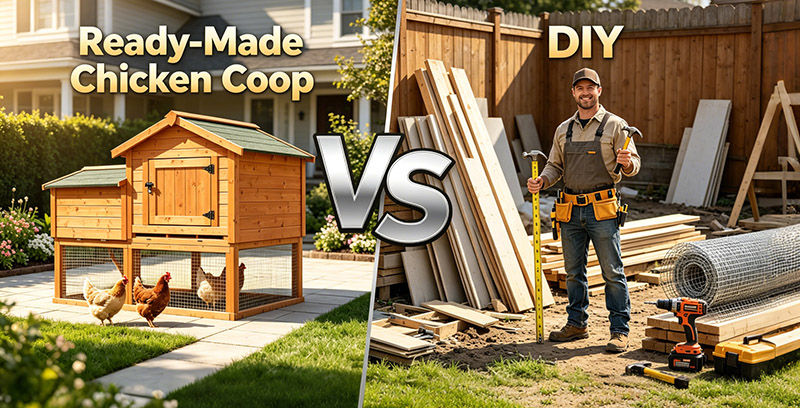
  • Why Choose a Ready-Made Chicken Coop Instead of DIY?
    Why Choose a Ready-Made Chicken Coop Instead of DIY?
    Jul 10, 2026
    Why Choose a Ready-Made Chicken Coop Instead of DIY?   Raising backyard chickens has become a global trend, and building a DIY coop is often one of the first projects that comes to mind for new poultry keepers. In fact, chicken coops are among the most popular DIY searches online. Yet the market tells a different story: the global chicken coop market was valued at between $397 million and $562 million in 2025, and is projected to reach $753 million to $907 million by 2035. Wooden coops alone are expected to account for 35.6% of the global market in 2026. These figures primarily reflect commercial sales—that is, ready‑made purchases—which shows that despite the DIY buzz, the vast majority of consumers still choose to buy, not build. So why do so many people start with DIY intentions but ultimately end up buying? The DIY Appeal – Why It Tempts There’s no denying the attractions of building your own: Cost savings on paper – Many sources claim that building a coop yourself can be 40% to 70% cheaper than buying a comparable ready‑made one. Full customisation – You can tailor the size, shape, and features to your exact flock size, yard layout, climate, and local predators. Personal satisfaction – For many, it’s a creative project that showcases craftsmanship and brings a sense of pride. Some also turn to DIY because they worry that mass‑produced coops use thin boards and flimsy wire mesh that predators can easily breach, and that they may only last 1–2 years outdoors. The dream is a fortress‑style coop built to last. The Reality – Why DIY Often Falls Short In practice, however, many first‑timers abandon their DIY plans halfway and end up buying. Here’s why: 1. The Hidden Cost Trap Raw materials are far more expensive at retail than most people anticipate. Lumber, quality hardware cloth, galvanised screws, roofing shingles, and exterior paint add up quickly. If you lack basic woodworking tools—drills, circular saws, levels, clamps—the cost of buying or renting them can blow your budget entirely. Studies show that 50% of DIY coop builders exceed their initial budget by over 70%. One common example: building a medium coop for 4–6 chickens can easily cost over $1,000 in materials, while a comparable ready‑made coop from a reputable retailer costs just $400–$500. Factories benefit from economies of scale that no individual workshop can match. 2. Time and Energy Sink A proper coop is not a weekend afternoon project—it typically consumes three full weekends or more. For those without carpentry experience, tasks like measuring precisely, cutting square, assembling level frames, and ensuring right angles are frustratingly difficult. Many get as far as the base or frame, then lose steam when faced with intricate details—fitting doors and windows perfectly, installing predator‑proof latches, or roofing. The joy of a creative project quickly turns into exhaustion and disappointment when it fails to come together. Sometimes, the wiser choice is to achieve your goal through a simpler, more reliable path. 3. Design Pitfalls That Haunt You Later Inexperienced builders often overlook critical design elements, leading to daily maintenance nightmares: Hard to clean – Forgetting large side‑access doors or droppings trays makes every cleaning session a back‑breaking ordeal. Ventilation vs. draughts – Blocking high vents causes ammonia buildup, dampness, and mould; while poorly placed openings let cold winds chill roosting birds, inviting illness. Building a chicken coop is a systematic project. It requires deep knowledge of chicken behaviour, health needs, structural engineering, and ongoing maintenance. Any seemingly simple detail can have major consequences if missed. Commercial manufacturers, having produced tens of thousands of coops, have refined every aspect through real‑world feedback and rigorous testing—expertise that is nearly impossible for a first‑timer to replicate. Why More and More People Choose Ready‑Made Coops On the flip side, buyers of ready‑made coops enjoy clear advantages: 1. What You See Is What You Get With a purchased coop, you browse photos, read specs, and check real customer reviews before you buy. You know exactly what you’re getting—size, material, assembly method, and suitability for your planned flock. DIY projects often end up looking or functioning quite differently from the original vision, leading to rework or even abandonment. 2. Speed to Enjoyment Order today, receive it in as little as three days. Unboxing and assembly typically take only 3–4 hours—sometimes as little as 30 minutes for simpler models—versus three weekends of building. That saved time can be spent with family, gardening, or simply relaxing. And if you start with adult hens, while the DIY builder is still hammering away, your hens will already be laying fresh eggs by week three. In our fast‑paced lives, saving unnecessary time and enjoying results sooner is a form of smart living. 3. Compact, Lightweight, and Mobile Urban/suburban friendly – Ready‑made coops are designed with modern small yards in mind—compact, aesthetically pleasing, and HOA‑compliant. Portable options – Many come with lightweight materials or built‑in wheels, so you can easily move them around the lawn. This gives your flock fresh grass and bugs while preventing bare patches. DIY wooden coops, by contrast, are often too heavy to move once assembled. 4. Neighbour‑Friendly and Regulation‑Ready In many North American communities, strict HOA rules or city ordinances govern backyard coops. A DIY structure that looks improvised can attract complaints and fines. Professionally designed coops feature cohesive colours, clean lines, and a polished appearance that blends well into any neighbourhood—making it easier to gain approval and maintain good relations. 5. Seeing Through the Cost Mirage Experienced buyers recognise that the perceived savings of DIY are often an illusion. When you factor in materials, tools, wasted supplies from mistakes, and the value of your own time, buying a well‑made coop is frequently the more economical choice in the long run. A Balanced View – DIY Isn’t for Everyone We absolutely admire those who have the skills, tools, and patience to build a beautiful, durable coop from scratch—that is truly commendable. However, we also believe in being honest: DIY is best suited to experienced woodworkers with ample time and a well‑equipped workshop. If you value your time, want predictable costs, need a reliable product quickly, and prefer a design that’s both functional and attractive, then buying a ready‑made coop is very likely the better decision—and one you won’t regret. Making the Right Purchase – Choose a Trusted Partner That said, buying a coop doesn’t mean settling for poor quality. The key is finding a manufacturer you can trust. That’s where Shaw Ye comes in. With over 20 years of specialised experience in chicken coop manufacturing, Shaw Ye is an FSC‑certified supplier and a trusted OEM partner for leading pet brands worldwide. We offer a wide range of models and sizes to suit every flock and every yard. Our coops combine durability, thoughtful design, and competitive pricing—delivering exceptional value. And if you have unique requirements, we also provide customisation services to bring your ideal coop to life. Choose Shaw Ye – because your chickens deserve a safe, comfortable home, and you deserve peace of mind.
    LEER MÁS
  • The Unrivaled Choice: Why Wooden Chicken Coops Remain the Gold Standard for Discerning Poultry Keepers
    The Unrivaled Choice: Why Wooden Chicken Coops Remain the Gold Standard for Discerning Poultry Keepers
    Apr 08, 2026
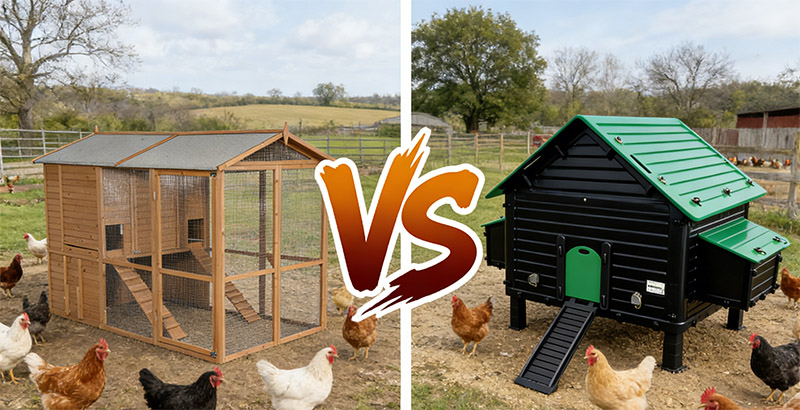
    The Unrivaled Choice: Why Wooden Chicken Coops Remain the Gold Standard for Discerning Poultry Keepers In the evolving world of backyard poultry, trends come and go. Recent market data from 2024 confirms a shift: plastic chicken coops, once a niche product, now account for about 33.4% of the market, appealing largely to urban hobbyists and first-time owners seeking the ultimate in convenience. However, the same data reveals a powerful truth: 62% of poultry keepers—the vast majority—still trust and prefer wooden chicken coops. As a dedicated manufacturer of premium wooden coops, we understand that this preference is not merely about tradition. It is a choice rooted in a deep understanding of animal husbandry, environmental responsibility, and long-term value. While plastic coops offer a quick-fix solution, wood provides a holistic home. Let’s explore the profound and practical reasons why wooden coops continue to be the heart of healthy, thriving flocks across Europe and North America. 1. The Science of Shelter: Superior Thermal Dynamics and Respiratory Health   The health of your flock begins with the air they breathe and the temperature they endure. This is where the fundamental properties of wood set it apart from plastic. Natural Thermoregulation: Wood is a naturally porous material composed of millions of tiny air pockets. This cellular structure makes it a phenomenal insulator. In the depths of winter, a well-built wooden coop acts like a thermal battery, trapping the collective body heat of the flock to keep the interior significantly warmer than a plastic structure. Conversely, during a summer heatwave, wood’s low thermal conductivity means it stays cool to the touch, resisting the sun’s radiant heat and providing a shaded, temperate refuge. Plastic, on the other hand, is prone to extreme temperature swings—becoming an oven in direct sun and a freezer when the temperature drops. Breathability and Moisture Control: Perhaps even more critical than temperature is moisture management. The single biggest threat to poultry respiratory health is ammonia fumes, which build up from droppings mixed with moisture. Wood’s natural breathability allows moisture vapor to pass through it, preventing condensation from forming on walls and ceilings. This "wicking" action helps keep the coop interior dry and significantly reduces the risk of respiratory diseases like Aspergillosis. Plastic, being non-porous, often traps humidity inside. This leads to condensation ("sweating" walls), which creates a damp, ammonia-rich environment that is a breeding ground for illness. 2. Engineering for a Lifetime: Durability and Structural Integrity A coop is an investment in your flock's future. When you choose a wooden coop from a quality manufacturer, you are choosing a structure built to withstand the elements for decades. Resistance to the Elements: While all materials face wear and tear, high-quality wood, when properly treated and constructed, offers remarkable resilience. Modern wood treatments and exterior-grade paints create a formidable barrier against rain, snow, and UV degradation. Unlike plastic, which can become brittle and crack over time due to sun exposure, or warp under extreme temperature fluctuations, quality timber maintains its structural integrity. A wooden coop with a well-designed roof overhang and treated base will shed water effectively for years. Robustness Against Predators: A coop must be a fortress. Plastic panels, even those touted as "durable," can sometimes be chewed through by determined predators like raccoons or rats, or can crack under impact. A well-constructed wooden coop, built with solid timber and secured joints, provides a physical barrier that predators find far more difficult to breach. The inherent strength of wood gives keepers peace of mind that their flock is safe at night. 3. The Joy of a Living Space: Customization and Evolution No two flocks or backyards are the same. A coop should be adaptable to your unique needs, and wood is the ultimate medium for personalization. Adaptability for Flock Dynamics: Your poultry-keeping journey will evolve. You might add new breeds, increase your flock size, or decide to try your hand at breeding. A wooden coop can evolve with you. Need to install a larger pop-hole door for your heavy breed? Want to add a custom-built roosting bar arrangement? Need to partition off a section for a broody hen and her chicks? With simple tools, you can drill, saw, and modify a wooden coop with ease. This flexibility is simply impossible with the injection-molded, one-piece construction of most plastic coops. Aesthetic Harmony and Personal Expression: Your backyard is an extension of your home. A utilitarian plastic coop can look jarringly out of place in a carefully cultivated garden. Wooden coops offer timeless aesthetic appeal. They can be painted to match your house, stained to blend with a natural landscape, or left to weather to a beautiful, silvery patina. This ability to harmonize with your property’s design is a key reason why keepers choose wood—it enhances the beauty of their outdoor space rather than detracting from it.   Repairability: Time and weather may take their toll, but damage to a wooden chicken coop is almost always repairable. A rotting floorboard? Replace it. A loose hinge? Screw it back into solid wood. A faded paint job? Sand and repaint. This "make-do-and-mend" philosophy is central to sustainable living and is a huge advantage over plastic, where a crack or broken panel often means the entire unit is beyond repair and destined for the landfill. 4. An Honest Look at Maintenance and Pest Resistance One of the primary marketing angles for plastic coops is the promise of a "red mite free" and "maintenance-free" existence. As experienced manufacturers, we believe in providing an honest, balanced view. Addressing the Red Mite Concern: It is true that red mites can hide in the cracks and crevices of wood. However, this is not an inevitability; it is a design and maintenance consideration. A well-designed wooden coop from a reputable manufacturer features: Seamless Construction: Minimal joints and carefully fitted boards reduce hiding places. Smooth, Painted Surfaces: High-quality, multi-layer paint seals the wood, creating a surface that is just as inhospitable to mites as plastic. Mites cannot burrow into painted, sealed wood. Cleanable Interiors: Modern wooden coops are designed with cleanability in mind, featuring smooth interior surfaces and sometimes even removable floors and panels for easy access. Proactive Management: A simple, annual routine of cleaning, followed by dusting with food-grade diatomaceous earth (a natural powder) into joints and crevices, completely eliminates any mite risk. This small effort is a fraction of the work required to maintain a healthy garden.   The Myth of "Maintenance-Free": Nothing is truly maintenance-free. While plastic requires no painting, it does require careful cleaning with specific products to avoid damage. It can also harbor bacteria in microscopic scratches that appear over time. The "maintenance" of a wooden coop—an enjoyable afternoon of applying a fresh coat of natural stain or paint once a year—is often seen by keepers not as a chore, but as an act of care that protects their investment and keeps their coop looking beautiful. 5. The Ethical and Environmental Imperative For a growing number of keepers, the choice of coop is an environmental one. A Sustainable, Renewable Resource: Wood, sourced from responsibly managed forests, is the ultimate renewable building material. It has a significantly lower carbon footprint to produce than petroleum-based plastics. By choosing a wooden chicken coop, you are supporting sustainable forestry and choosing a product that stores carbon rather than emitting it during its manufacture. Biodegradability and End of Life: A high-quality wooden coop can last 15-20 years or more with proper care. When it finally reaches the end of its long life, it will biodegrade naturally and return to the earth. Plastic coops, however, are destined for landfills where they will persist for hundreds of years, breaking down into harmful microplastics. For the eco-conscious poultry keeper, the choice is clear. Conclusion: A Legacy of Health, Beauty, and Value The decision to keep poultry is a return to a simpler, more connected way of life. Your coop should reflect that philosophy. While plastic offers a sterile, short-term convenience, wood offers a living, breathing home for your flock. By choosing a wooden chicken coop from our factory, you are not just buying a shelter; you are investing in: The long-term health and comfort of your birds. The beauty and harmony of your backyard. A durable, repairable structure that will last for generations. An environmentally responsible choice you can feel good about. For the 62% who choose wood—and for the 33.4% considering their next coop—the message is clear: Wood is not just the traditional choice; it is the smarter, more sustainable, and ultimately more rewarding choice for a happy, healthy flock. Trust the material that has served farmers and families for centuries. Choose a wooden coop.
    LEER MÁS
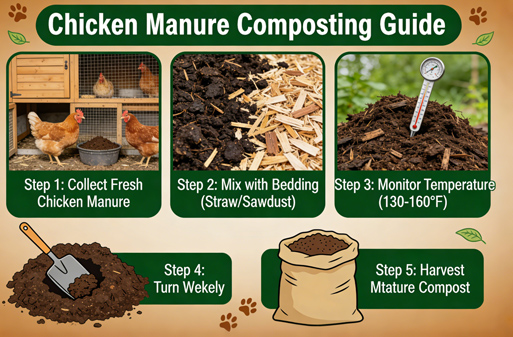
  • Chicken Manure Composting Guide
    Chicken Manure Composting Guide
    Feb 09, 2026
    Chicken Manure Composting Guide     Composting chicken manure (also known as decomposition or aging) is a very important and common practice in agricultural production. This is not only for treating livestock and poultry waste, but also a key process for transforming waste into high-quality resources. The main reasons why farms don't directly apply fresh chicken manure to farmland but instead spend time and effort composting it are as follows: 1. Eliminating the harm caused by direct application of chicken manure (core reason) Using fresh chicken manure directly without treatment can cause serious damage to crops and soil: "Seedling burn" and "root burn": Fresh chicken manure continues to ferment in the soil, producing large amounts of heat and harmful gases such as ammonia, causing damage to crop roots, commonly known as "root burn," and in severe cases, leading to seedling death. Spread of pests and diseases: Chicken manure may contain a large number of harmful bacteria, insect eggs, and weed seeds; direct application is equivalent to introducing these hazards into the farmland. Difficulty in nutrient absorption: Nutrients in fresh chicken manure (such as nitrogen) mainly exist in organic form, which crops cannot directly absorb, resulting in slow and uneven fertilizer effects. 2. Transforming Nutrients into Absorbable Forms (Main Purpose) The composting process is a decomposition and stabilization of organic matter under the action of microorganisms. Its core purposes are: Mineralization: Converting the complex organic nitrogen and organic phosphorus in chicken manure into inorganic nitrogen (ammonium nitrogen, nitrate nitrogen) and available phosphorus that crops can directly absorb and utilize. Humification: Generating stable humus, the core of soil fertility, improving soil structure, and enhancing water and fertilizer retention capacity. 3. Obtaining Stable, Safe, and Efficient Organic Fertilizer Fully composted chicken manure fertilizer has many advantages: Safe and Harmless: The high temperature during fermentation (up to 60-70℃) effectively kills most pathogens, insect eggs, and weed seeds, eliminating odors. Long-Lasting and Mild Fertilizer Effect: Stable nutrient release without burning roots, providing both quick-acting nutrients and long-lasting fertility. Soil Improvement: Rich in organic matter and humus, it improves soil structure, alleviates soil compaction, and increases the activity of beneficial microorganisms in the soil.   Environmentally Friendly: It avoids air pollution and eutrophication caused by manure accumulation, achieving internal recycling within agriculture. The following are the key operational steps and essential points for converting chicken manure into high-quality compost: 1.Planning and Design Develop a composting management plan in accordance with local regulations. Choose a composting site away from water sources, roads, and residential areas, and use compost bins or compost troughs, ensuring the bottom is waterproof. 2. Raw Material Preparation and Mixing   You will need to adjust the carbon-to-nitrogen ratio (C/N): Chicken manure (high in nitrogen) needs to be mixed with high-carbon materials (such as bedding, straw). Target C/N ratio: typically between 15:1 and 35:1. Moisture content: The mixture should be moist but not water-squeezable, with a moisture content of approximately 40-60%. 3. Composting Process Management   Creating a Favorable Environment: Providing oxygen through turning the compost to maintain microbial activity. Temperature: The core temperature of the compost pile should be maintained at 54-65°C for several days to kill pathogens and weed seeds. Turning the Compost: Turn the compost as the temperature drops, usually several times. 4. Decomposition and Storage   Completion of Decomposition: When the temperature stabilizes and approaches ambient temperature, it signifies that it has entered the decomposition stage. Decomposition Time: Typically takes 1-3 months. After decomposition, it should be odorless and dark brown. Storage: Avoid rain to prevent nutrient loss. 5. Quality Testing and Application   Safe and Effective Use: Prioritize nutrient content analysis using laboratory methods. Application: Avoid application during the rainy season, freezing temperatures, or flooding. Method: Plow into the soil within 24 hours on cultivated land; for pasture, apply in small granule form. In addition to the basic procedures, the following key points are directly related to the success, compliance, and safety of composting: Biosafety and Disease Control: Chicken manure may carry pathogens such as avian influenza. High-temperature treatment (>54°C) is crucial for killing pathogens. Environmental Protection: Odor and Fly Management: The composting process produces odors and attracts flies. Ensuring a proper carbon-to-nitrogen ratio, timely turning of the compost, or covering with a tarpaulin can effectively control flies. Water Body Protection: Composting sites must be far from water sources and wells, and buffer zones must be in place. Never apply manure to flooded areas, steep slopes, or frozen ground. Regulations and Community Relations: Many areas have strict regulations regarding manure storage, application time, and distance from water sources. Consider wind direction and neighbors before application. Avoid operating on weekends, holidays, or at night. Notify neighbors in advance if necessary.
    LEER MÁS
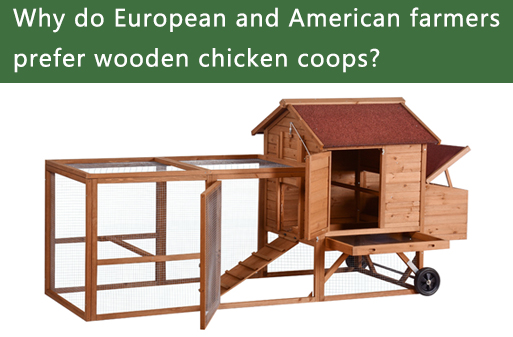
  • ¿Por qué los agricultores europeos y americanos prefieren los gallineros de madera?
    ¿Por qué los agricultores europeos y americanos prefieren los gallineros de madera?
    Sep 22, 2025
    ¿Por qué los agricultores europeos y americanos prefieren los gallineros de madera? 1. Sostenibilidad ambiental: desde la certificación básica hasta las ventajas del ciclo de vida completo Las normas ambientales en los mercados europeo y estadounidense han establecido un sistema de evaluación integral. Los gallineros de madera ofrecen ventajas competitivas en tres niveles: Madera con certificación FSC: Al utilizar madera sostenible certificada por el Consejo de Administración Forestal (FSC), su cadena de suministro logra un mecanismo ecológicamente equilibrado de "cortar uno, reponer tres". En comparación, las jaulas de plástico utilizan materias primas no renovables derivadas del petróleo (lo que produce 2,1 toneladas de CO₂ por tonelada de jaulas de plástico), y el proceso de aluminio electrolítico para las jaulas metálicas consume hasta 15 000 kWh de energía por tonelada. Un estudio de la Universidad Técnica de Dinamarca muestra que la huella de carbono de los gallineros de madera, desde la recogida de la materia prima hasta su eliminación, es de tan solo 38 kg de CO₂ equivalente, lo que supone una reducción del 42 % en comparación con los productos de la competencia. Red de Reciclaje: Europa ha establecido un sistema profesional de reciclaje para residuos agrícolas de madera. El grupo alemán RWE utiliza tecnología de generación de energía con biomasa para lograr una tasa de conversión del 90 % en gallineros usados. Los ftalatos liberados durante la degradación de las jaulas de plástico en los vertederos han sido clasificados como carcinógenos de clase 2B por la OMS. Adaptabilidad de las políticas: el Pacto Verde Europeo, implementado en 2023, reduce el IVA sobre las herramientas agrícolas de madera al 5%, mientras que Francia impone un impuesto ecológico de 1,20 € por kilogramo sobre los equipos agrícolas de plástico. 2. Bienestar animal: del cumplimiento normativo a la mejora de la salud Superando los requisitos básicos de las directivas de la UE, las estructuras de madera demuestran un valor único en la fisiología y el comportamiento de las aves de corral: Sistema de Regulación del Microclima: La estructura capilar de la madera mantiene automáticamente un rango de humedad relativa del 20% al 70%. Experimentos realizados en la Universidad de Padua (Italia) han confirmado que el aislamiento invernal de los gallineros de madera reduce la tasa metabólica basal de las aves de corral en un 18% y aumenta la conversión alimenticia en un 9%. Diseño de Inducción de Comportamiento Natural: Las perchas de mortaja y espiga, desarrolladas con base en patrones de comportamiento avícola, estimulan comportamientos instintivos como el picoteo y el aleteo. Datos de la Real Sociedad para la Prevención de la Crueldad contra los Animales (RSPCA) del Reino Unido muestran que las granjas que utilizan estructuras de madera experimentan una reducción del 37 % en el daño a las plumas y un aumento del 12 % en la resistencia de la cáscara. Aislamiento de factores estresantes: Las propiedades acústicas de la madera pueden reducir el ruido ambiental entre 6 y 8 decibeles, aliviando eficazmente las convulsiones grupales causadas por el ruido repentino de los vehículos de transporte y otras fuentes. 3. Durabilidad y asequibilidad: del valor de compra al valor de por vida Un análisis del coste total del ciclo de vida (TCO) revela la verdadera relación calidad-precio de los productos de madera: Tecnología antienvejecimiento: Los modernos procesos de conservación a presión (como el doble tratamiento MCQ) han prolongado la vida útil de la madera de pino a más de 15 años. Un estudio de seguimiento realizado por el Scottish Agricultural College muestra que el coste medio anual de depreciación de los gallineros de madera es de tan solo 23 euros, un 38 % inferior al de los gallineros de metal galvanizado (37 euros). Sistema de Reparación Modular: Mediante un diseño de componentes estandarizado, los supermercados británicos de materiales de construcción como B&Q ofrecen piezas de repuesto listas para usar. Los agricultores pueden reemplazar los paneles laterales con herramientas sencillas, ahorrando así el 85 % de las horas de mano de obra necesarias para las reparaciones con soldadura de arco de argón en gallineros metálicos. Canales de Monetización del Valor Residual: Las cooperativas agrícolas francesas suelen establecer plataformas de intercambio de herramientas agrícolas de segunda mano. Los gallineros de madera de alta calidad pueden mantener un valor residual del 45 % después de ocho años de uso. 4. Valor cultural: de las herramientas funcionales al estilo de vida En medio de la tendencia pospandémica de "regreso al campo", los gallineros de madera se han convertido en un elemento básico del estilo de vida: Los estilos de diseño están evolucionando: han surgido subcategorías, como el estilo colonial de Nueva Inglaterra (con contraventanas) y el estilo provenzal (con herrajes de hierro forjado hechos a mano). Datos de la plataforma estadounidense Houzz muestran que los gallineros de madera personalizados tienen un precio dos o tres veces superior al de los modelos estándar. Impacto en las redes sociales: el hashtag #woodenchickencoop ha generado más de 2,8 millones de impresiones en Instagram, y un gallinero minimalista diseñado por el diseñador danés Henning Koppel se ha añadido a la colección permanente del Museo de Arte Moderno de Nueva York. Desarrollo educativo: El National Trust del Reino Unido utiliza gallineros de madera como herramienta educativa natural para los niños, y su curso "Observación del ciclo de puesta de huevos y compostaje" se ha incorporado al currículo obligatorio de 200 escuelas primarias. 5. Regulaciones con visión de futuro: Liderando nuevos estándares para estilos de vida social sostenibles Los fabricantes de madera están pasando de ser seguidores del cumplimiento a participantes que establecen normas: Cronograma de sustitución del plástico: según las disposiciones transitorias de la nueva normativa de la UE de 2027, la tecnología de "conector desmontable" desarrollada conjuntamente por empresas madereras se ha adoptado como estándar de la industria. Integración en el sistema de créditos de carbono: el Banco de Carbono holandés ha reconocido el valor de secuestro de carbono de las jaulas de madera para pollos, y cada jaula estándar se puede canjear por 2,3 créditos de carbono (aproximadamente 5,8 €). Mejorar el bienestar animal: el "Estándar de espacio dinámico", promovido por organizaciones suecas de derechos de los animales, incluye la escalabilidad de las estructuras de madera como un factor de puntuación central, proporcionando una plantilla técnica para las revisiones legislativas en 2025.
    LEER MÁS
  • ¿Cómo distinguir los tipos de gallineros de madera?
    ¿Cómo distinguir los tipos de gallineros de madera?
    Sep 22, 2025
    ¿Cómo distinguir los tipos de gallineros de madera? Con el auge global de la agricultura ecológica, los gallineros de madera están reemplazando gradualmente a las jaulas metálicas tradicionales gracias a su ventilación natural, respeto al medio ambiente y diseño estético. La demanda de gallineros de madera personalizados ha aumentado, especialmente ante el auge de la agricultura doméstica en Europa y Estados Unidos y la cría de gallinas de compañía en Asia. Sin embargo, incluso los gallineros de madera aparentemente sencillos pueden clasificarse en diferentes tipos. Cada persona puede elegir entre diferentes tipos de gallineros de madera según sus necesidades. 1. Clasificación por función y uso: Los gallineros de madera se pueden clasificar en diferentes tipos según su función y uso. Jaulas básicas para pollos Estas jaulas cubren únicamente las necesidades básicas de la cría de pollos y son aptas para traspatios o granjas pequeñas. Presentan una estructura sencilla y buena ventilación. Jaulas para puesta de huevos Estos gallineros de madera están diseñados con comederos para huevos inclinados y estructuras antivuelco para facilitar la recolección de huevos, lo que los hace ideales para gallinas ponedoras. Jaulas de cría Son jaulas más pequeñas con aislamiento o calefacción, adecuadas para las etapas de crecimiento de los pollitos. Jaulas de exhibición/ornamentales Estas jaulas a menudo presentan una apariencia atractiva y pueden tener diseños decorativos, lo que las hace adecuadas para gallinas como mascotas o para exhibiciones. 2. Clasificación por diseño estructural: Las diferentes jaulas para pollos tienen distintos diseños, lo que da como resultado distintos estilos. Jaulas fijas para pollos: Se trata de una jaula no móvil, generalmente hecha de un marco de madera y metal, adecuada para alojamiento estacionario a largo plazo. Jaulas móviles para gallinas: Se trata de una jaula con ruedas o una estructura desmontable, que permite una fácil rotación de las zonas de pastoreo (como un “carro gallinero”). Jaulas combinadas modulares: este tipo de jaula suele ser modular y ampliable, lo que la hace adecuada para que las granjas de gran escala puedan ajustar el espacio de forma flexible. 3. Clasificación por capacidad: Las jaulas para pollos también se pueden clasificar según el tamaño de la parvada. Esta clasificación suele ser menos rigurosa, pero muy práctica. Pequeño (1 a 5 pájaros): este tipo de jaula es adecuada para uso doméstico, de tamaño compacto y se encuentra comúnmente en granjas de traspatio en Europa y Estados Unidos.   Mediana (5-20 aves): Este tipo de jaula se utiliza comúnmente en granjas pequeñas o gallineros comunitarios. Grande (más de 20 aves): Este tipo de jaula se utiliza generalmente para satisfacer las necesidades de la ganadería industrial o cooperativa, que requieren mayor capacidad de carga y ventilación.
    LEER MÁS
  • Guía de selección de jaulas de madera para gallinas al aire libre
    Guía de selección de jaulas de madera para gallinas al aire libre
    Sep 01, 2025
    Guía de selección de jaulas de madera para gallinas al aire libre ¿Por qué es importante elegir el gallinero de madera para exterior adecuado? ¿Te suena esta escena? El gallinero de madera que construiste con tanto cuidado el fin de semana empieza a enmohecerse tras la temporada de lluvias. A las gallinas les gusta acurrucarse juntas por el estrés, y ponen la mitad de huevos que antes. Por fin lograste mantener alejados a los gatos salvajes, pero no prestaste atención a los huecos del fondo, y los ratones picoteaban a los pollitos recién nacidos por la noche. Si no eliges el gallinero de madera para exterior adecuado, no solo te llevará mucho tiempo y será laborioso, sino que también hará sufrir a las gallinas que tanto te ha costado cuidar.   Quizás hayas oído esta historia: Tom compró un gallinero de madera para exterior barato para ahorrar. Sin embargo, al cabo de medio año, la madera empezó a pudrirse y romperse, así que tuvo que reemplazarlo, lo que le costó más dinero. Lo que era aún más problemático era que la jaula era demasiado compacta y las gallinas no podían moverse. La tasa de mortalidad era mucho mayor que antes y la eficiencia reproductiva se redujo considerablemente. Antes de elegir una jaula para pollos, debemos ser conscientes de que elegir la jaula de madera incorrecta no es un asunto menor; puede ser un factor crítico que afecta los objetivos principales de la cría de pollos (salud de la parvada, rendimientos de la cría y eficiencia de la gestión). 1. Perjuicio para la salud de las aves: La madera sin tratar puede generar fácilmente bacterias, lo que provoca enfermedades en las gallinas. La falta de espacio y la mala ventilación pueden desencadenar reacciones de estrés, lo que reduce la producción de huevos. Una protección inadecuada puede exponerlas a depredadores (halcones, comadrejas y ratas), lo que resulta en pérdidas directas. 2. Reducción de los costos de producción: Las jaulas de madera de baja calidad para pollos son poco duraderas y deben reemplazarse cada uno o dos años, lo que las hace más caras a largo plazo que los productos de alta calidad. Un diseño inadecuado (como la dificultad de limpieza) puede aumentar los costos de mano de obra; la limpieza que antes tomaba una hora puede tomar tres. 3. Perjuicio para la experiencia de cría: El mantenimiento y la gestión frecuente de los problemas con las aves consumen mucha energía, convirtiendo el estrés de la cría en frustrante. En las explotaciones agrícolas, los problemas de salud de las aves también pueden minar la confianza de los clientes (para los ganaderos que venden huevos de gallinas camperas, las gallinas enfermas pueden provocar la pérdida de clientes). De hecho, elegir el gallinero de madera para exterior adecuado no es difícil. La clave está en evitar los errores de "solo fijarse en el precio", "ignorar la aplicación" y "pasar por alto los detalles". La siguiente guía comenzará por "aclarar primero sus necesidades de cría" y le enseñará paso a paso cómo identificar las propiedades anticorrosivas de la madera, evaluar la racionalidad del diseño, verificar los detalles de protección e incluso ayudarle a evitar los cinco errores más comunes de los principiantes. Tanto si cría de 3 a 5 gallinas en su familia como si es un pequeño agricultor con más de 10, encontrará el método de selección que mejor se adapte a sus necesidades y nunca tendrá que preocuparse por "elegir el gallinero equivocado". Premisa central: primero aclarar sus propias necesidades y evitar la selección a ciegas 1. Determine la escala de su cría de pollos: elija un gallinero de madera del tamaño apropiado según la cantidad de pollos que planea criar (3 a 5 para una granja familiar o 10 o más para una granja pequeña). 2. Considere los requisitos específicos del gallinero en función del tamaño del espacio exterior (rincón de un patio o espacio abierto), el clima local (climas lluviosos y húmedos, altas temperaturas y luz solar directa o climas fríos).   3. Identifique las prioridades funcionales: ¿El enfoque está en la “seguridad y protección” (protección contra depredadores), el “manejo conveniente” (limpieza y alimentación fáciles) o la “comodidad de las gallinas” (amplio espacio para moverse)?   Selección de materiales: la base de la durabilidad de los gallineros de madera para exteriores   1. Identificación del tipo de madera: compare las ventajas y desventajas de los diferentes tipos de madera (por ejemplo, madera conservante: resistente a la descomposición y a los barrenadores, pero costosa; pino: rentable, pero requiere un tratamiento conservante adicional; abeto: liviano y fácil de trabajar, pero menos resistente a la humedad). 2. Inspección del proceso de conservación: Verifique que la jaula haya sido sometida a un tratamiento profesional de conservación (p. ej., conservantes ACQ, tratamiento térmico). Evite el uso de conservantes tóxicos (que pueden afectar la salud de los pollos). Esto se puede determinar revisando el informe de inspección de calidad y observando el color de la madera. 3. Control de Calidad del Material: Los conectores metálicos (tornillos, bisagras) deben ser resistentes a la oxidación (de acero galvanizado o inoxidable) para evitar la oxidación y roturas por el uso prolongado en exteriores. La malla debe ser resistente (para evitar que comadrejas y ratas la muerdan) y tener una malla de tamaño adecuado (para evitar que los pollitos se escapen).   Detalles de diseño: Determinar la experiencia del usuario y la calidad de vida de las gallinas. 1. Diseño espacial: - Proporcionar una cantidad estándar de espacio para cada pollo (por ejemplo, al menos 0,3-0,5 metros cuadrados por ave) para evitar el hacinamiento. - Diseño en capas/zonas: ¿Hay "áreas de descanso" designadas (para protección de la luz y el calor), "áreas de alimentación" (para facilitar la limpieza) y "áreas de actividad" (cercadas para que las gallinas deambulen)? 2. Diseño protector: Protección contra depredadores: ¿Hay una cubierta de techo (para protegerse de halcones y gatos)? ¿Está el fondo sellado o elevado (para evitar la entrada de ratas y serpientes)? - Protección contra la intemperie: ¿Hay protectores laterales (para zonas lluviosas)? ¿Es adecuada la inclinación del techo (para un drenaje rápido)? ¿Hay ventanas de ventilación en verano (para evitar la congestión)? 3. Diseño fácil de usar: Facilidad de limpieza: ¿Hay pisos y puertas laterales desmontables (para facilitar la eliminación del estiércol)? ¿Hay salidas de drenaje designadas? - Facilidad de alimentación: ¿Son los comederos y bebederos fáciles de instalar y herméticos? ¿Es necesario abrir y cerrar la puerta con frecuencia para añadir alimento?   Seguridad operativa: ¿La puerta se abre y se cierra suavemente para evitar que las gallinas se pellizquen? ¿Están pulidos los bordes y las esquinas para evitar rayones?   Consideraciones adicionales: mejora del valor a largo plazo 1. Soporte de carga y estabilidad: verifique que el marco de madera sea estructuralmente sólido (por ejemplo, utilizando uniones de mortaja y espiga/vigas reforzadas) para evitar que se caiga debido al movimiento de las gallinas o el viento. 2. Escalabilidad: verifique si admite la instalación posterior de accesorios (por ejemplo, nidos de huevos, sistemas automáticos de eliminación de estiércol) o la capacidad de ampliar el tamaño conectando varias unidades (para adaptarse a la futura expansión de la granja).   3. Costo de mantenimiento: comprenda las necesidades de mantenimiento constantes de la madera (por ejemplo, si se requiere aceitado anual) y si los accesorios están fácilmente disponibles para comprar y reemplazar para minimizar los costos a largo plazo.   Guía para evitar errores: 5 errores comunes que cometen los principiantes al elegir un gallinero de madera para exteriores 1. Centrarse sólo en el precio: comprar madera barata, sin tratar y común puede provocar una rápida putrefacción y un reemplazo frecuente. 2. Ignorar el espacio: Elegir un tamaño más pequeño para ahorrar costos puede causar estrés en las gallinas y reducir la producción de huevos. 3. Descuido de la protección: no tener en cuenta a los depredadores locales (por ejemplo, no protegerse contra las comadrejas en las zonas rurales), lo que da lugar a pérdidas. 4. Ignorar los detalles: el uso de hierro común para las piezas metálicas puede oxidarse, comprometiendo la seguridad estructural de la jaula; la falta de ventilación puede provocar un golpe de calor en el verano.   5. No considerar el servicio posventa: comprar productos sin garantía significa que no tendrá ningún recurso legal si surgen problemas de calidad.
    LEER MÁS
  • Tendencias: ¿Por qué cada vez más personas se dedican a la cría de pollos en sus patios?
    Tendencias: ¿Por qué cada vez más personas se dedican a la cría de pollos en sus patios?
    Aug 28, 2025
    Tendencias: ¿Por qué cada vez más personas se dedican a la cría de pollos en sus patios? El alza en los precios de los huevos y la creciente preocupación por la seguridad alimentaria han impulsado a muchos estadounidenses a adoptar la cría de pollos de traspatio. A medida que este movimiento cobra impulso, surge una próspera comunidad de entusiastas de la avicultura doméstica, que no solo está cambiando estilos de vida, sino también transformando las actitudes hacia la autosuficiencia. En primer lugar, la cría de pollos de traspatio es una estrategia comprobada para compensar el alza en los precios de los huevos. Con los huevos de supermercado llegando... De 6 a 8 por docena en algunas zonas (e incluso más de 20 en otras), precios que antes se consideraban impensables, muchos minoristas han impuesto límites de compra. En cambio, criar gallinas ofrece una solución sostenible. En California, por ejemplo, tres gallinas ponedoras cuestan tan solo 150 dólares, e incluso considerando la construcción del gallinero y los gastos de alimentación, la inversión se amortiza en un plazo de cuatro a seis meses. Los huevos de granja cuestan solo una fracción de los comprados en tiendas (aproximadamente entre una quinta y una sexta parte del precio) y las gallinas siguen poniendo durante todo el año, lo que garantiza ahorros a largo plazo. Los agricultores domésticos disfrutan de un suministro constante de huevos frescos a precios inmejorables, sin las restricciones de los supermercados.   En segundo lugar, los huevos de traspatio son más sanos, seguros y nutritivos que las alternativas comerciales. Los huevos de granjas industriales suelen contener trazas de hormonas y antibióticos, ya que las operaciones industriales dependen de productos químicos para mantener la productividad y la salud de la parvada. En cambio, las gallinas de traspatio prosperan con dietas controladas y sin químicos, produciendo huevos verdaderamente orgánicos. Las investigaciones confirman que las gallinas criadas en pastura, con acceso a espacios al aire libre y alimentación natural, ponen huevos más ricos en carotenoides y ácidos grasos omega-3, que a veces contienen niveles de nutrientes mucho mayores que los de sus contrapartes comerciales. Vida sostenible y vínculos comunitarios La cría de pollos en traspatio representa la vida sostenible moderna. Las gallinas convierten eficientemente los restos de comida en abono rico en nutrientes, evitando que los residuos acaben en los vertederos y creando abono orgánico para los jardines. Este sistema circular reduce la dependencia de fertilizantes sintéticos, disminuyendo la huella de carbono de los hogares hasta en un 30 %, según estudios del USDA. Reconectando con la naturaleza y la familia Para las familias urbanas, la crianza de pollos ofrece un vínculo tangible con las tradiciones agrarias. Los niños presencian todo el ciclo de vida —desde el huevo hasta la cría y la gallina ponedora—, aprendiendo responsabilidad a través del cuidado diario. El proceso fomenta el trabajo en equipo, ya que las familias colaboran en la alimentación, el mantenimiento del gallinero y la recolección de huevos, fortaleciendo los vínculos a través de un propósito compartido. Construyendo una sociedad más verde El movimiento de las gallinas de traspatio está generando un gran impacto. Los entusiastas intercambian consejos en los mercados agrícolas locales, donde el 65 % afirma comprar más productos locales (Encuesta Agrícola Nacional de 2025). A medida que se multiplican estas opciones sostenibles, impulsan la demanda de productos orgánicos y de minoristas con conciencia ecológica, acelerando así un mayor impacto ambiental.   Como defensores de este estilo de vida, ofrecemos gallineros de madera natural Diseñado para el bienestar de las gallinas y la estética del jardín. Contáctanos para unirte a la creciente comunidad que transforma vecindarios.
    LEER MÁS

Get Free Sample

dejar un mensaje
Nuestras guaridas para mascotas ofrecen un hogar cómodo y elegante para sus queridas mascotas.
ENTREGAR
Contáctenos: info@fxywp.com.cn

HOGAR

PRODUCTOS

WhatsApp

Contáctanos